TB-500 Quick Reference (10 mg Vial)
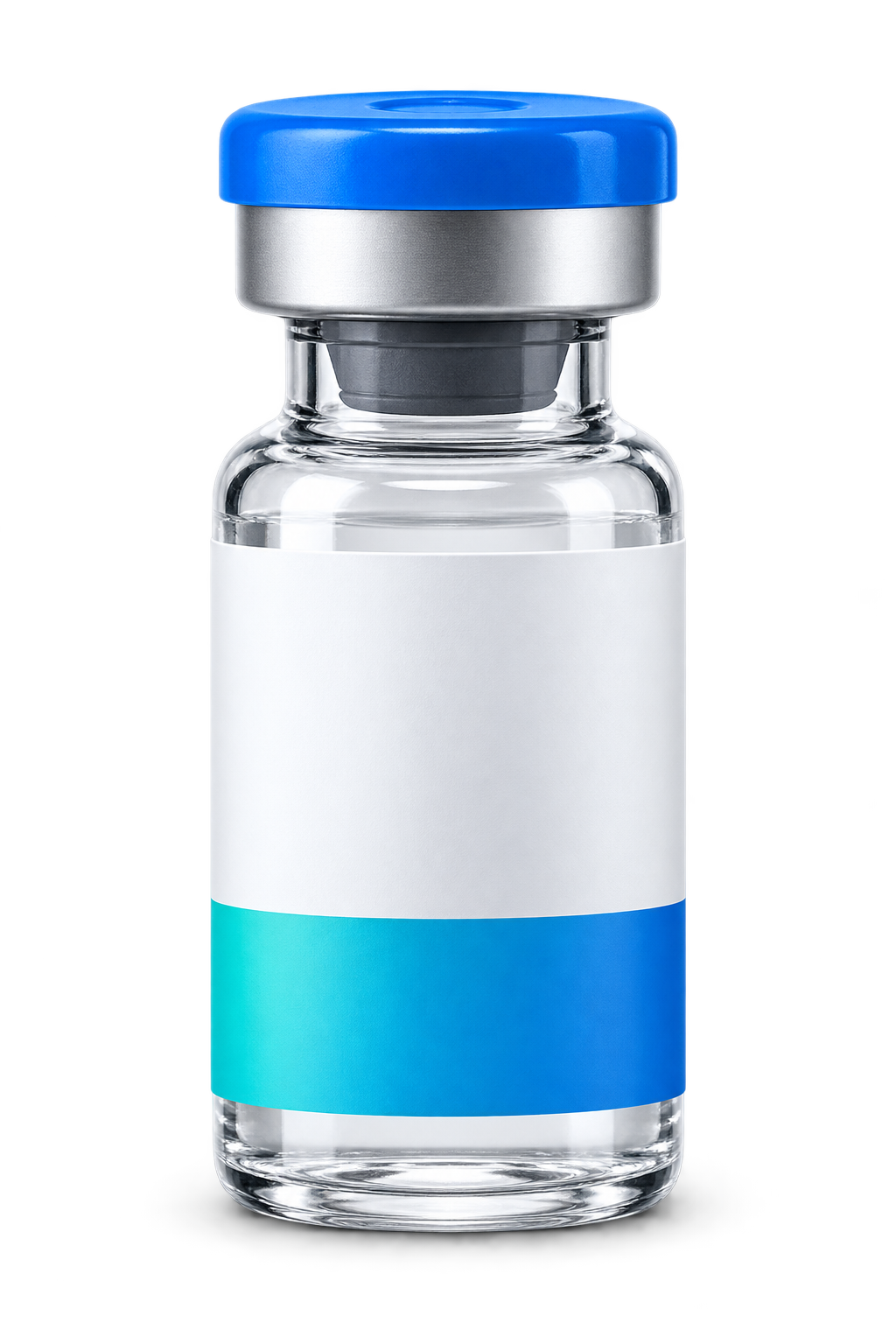
TB-500 Dosage Chart
Dosing & Reconstitution Guide
See source-specific research context
Reference Protocol (See reviewed protocol · Calculate from verified volume)
| Phase | Daily Dose | Units (per injection) |
|---|---|---|
| Identity | TB-500 | Match the complete name, including any suffix. |
| Listed quantity | 10 mg | Catalog specification, not an administration dose. |
| Format | Single | Confirm the actual product documentation. |
Reconstitution Steps
Educational reference only. Values must be checked against primary literature and product-specific documentation.
Supplies Needed
Plan supplies from the verified protocol duration and the 10 mg vial format.
🧪Reference material
- 10 mg presentation
- Keep batch documentation
💉Measurement supplies
- Select for the verified method
- Record equipment specification
💧Diluent documentation
- Confirm compatibility
- Record final volume
▤Handling records
- Label and date
- Log storage conditions
 TB-500 10 mgView Product
TB-500 Vial and Research Context
- Reconstitute: Use the reviewed final volume → Calculate from verified volume.
- Research format: See source-specific research context.
- Easy measuring: Use the measurement calculator.
Verify the sequence and exact identity used by a supplier or publication. A label associated with a broader peptide family may not specify every formulation detail.
Evidence checklist
A useful paper identifies the exact substance and formulation, explains the experimental model, and reports both measured outcomes and limitations. A label match is the start of a literature search, not proof that different preparations behave identically.
This page is an identity and specification reference. It does not establish a treatment schedule or certify a supplier batch.
Protocol Overview
TB-500 appears in 5 mg and 10 mg formats and in separate blends and stacks with BPC-157.
Reading this reference
Verify the sequence and exact identity used by a supplier or publication. A label associated with a broader peptide family may not specify every formulation detail.
Listed specification
TB-500 · 10 mg vial. One named catalog substance. Compare this reference with other sizes using the same compound name.
Dosing Protocol
Suggested educational framework for the 10 mg vial format.
- Identity: Confirm TB-500 10 mg.
- Route and frequency: See source-specific research context.
- Concentration: Calculate from verified volume.
- Recordkeeping: Document every input, calculation and observation.
Storage Instructions
Use the storage and stability documentation supplied for the exact formulation and batch. A catalog name or vial amount does not establish temperature limits, shelf life, solvent compatibility or sterility. Keep original labeling and record relevant dates.
Important Notes
This is a catalog identity and specification reference, not a dosing protocol. Listed quantities describe catalog formats. They are not personal treatment instructions or confirmation of product approval.
How This Works
For TB-500, mechanism statements should be tied to a named pathway, model and primary source. Evidence from cells, animals and humans answers different questions and should not be treated as interchangeable. Use the sources section to connect each claim to the evidence that supports it.
Potential Benefits & Side Effects
Strength of evidence depends on study design, sample size, controls, measurement method and replication. Product identity and purity can also affect interpretation. A result associated with TB-500 does not establish clinical safety, effectiveness or suitability for an individual.
Lifestyle Factors
Sleep, nutrition, activity, baseline health and concurrent interventions can confound outcomes. Record them as study variables instead of attributing every change to one compound.
Injection & Measurement Technique
Keep mass, concentration and volume as separate fields. The 10 mg label states mass or presentation only; concentration cannot be calculated until a verified final volume is known. Use the calculator for transparent unit arithmetic and retain the inputs with the result.
Open calculatorRecommended Source
TB-500 · 10 mg
Check availability, documentation and the administrator-set price in the product catalog.